When it comes to Latin recipes, few things are as foundational—or as passionately debated—as sofrito. If you've ever tasted a pot of beans, a stew, or even rice that just seemed to have a soul of its own, chances are good that sofrito was the secret behind it. Today, we’re diving into a classic Puerto Rican vegan sofrito, made even more authentic with the inclusion of aji dulce peppers. This isn't just a condiment—it's a cultural icon. And if you’re interested in expanding your kitchen's Latin flavors or even boosting your vegan Mexican recipes, this sofrito is the first step you need.
Though traditionally used as a base for countless dishes including arroz con gandules and sofrito chicken recipes, this vegan version of Puerto Rican sofrito still brings the full aromatic intensity without any animal products. And if you're one of those folks who love a good sofritas chipotle recipe or you're wondering how to make chipotle sofritas from scratch, mastering this vegan sofrito will elevate your chipotle tofu recipe game big time.
Let’s get into it.
Classic Puerto Rican Vegan Sofrito with Aji Dulce Peppers
Prep Time 20 minutes mins
Total Time 20 minutes mins
Course Condiment, Recipe Component
Cuisine Puerto Rican
Servings 3 cups of sofrito
High-speed blender or food processor A food processor with a wide bowl works best for controlling texture, but a good blender (like a Vitamix or Ninja) will do just fine.
Cutting board and sharp knife You’ll be chopping quite a few vegetables.
Glass jars or ice cube trays For storing your finished sofrito. Ice cube trays are perfect for portioning.
Spatula or spoon To scrape down the sides of your processor or blender.
- 1 large green bell pepper seeded and chopped
- 1 large red bell pepper seeded and chopped
- 6-8 aji dulce peppers seeded; do not confuse with habaneros—they look similar but are sweet, not spicy
- 1 large yellow onion chopped
- 1 head of garlic about 10-12 cloves, peeled
- 1 bunch cilantro including stems
- 1/2 bunch culantro also known as recao; if unavailable, use extra cilantro
- 4-5 scallions roots trimmed
- 1 tablespoon olive oil optional, for smoother blending
- Salt to taste optional; some prefer to keep it salt-free until cooking
Optional additions:
- 1 Roma tomato for a wetter blend (use sparingly)
- 1 tablespoon apple cider vinegar if storing longer
Prepare Your Ingredients
Start by washing all your produce thoroughly. Remove the seeds and stems from the bell peppers and aji dulces. Roughly chop everything into chunks, especially if you're using a blender.
Load Your Processor or Blender
Add the garlic, onion, peppers, scallions, cilantro, and culantro into your blender or food processor. If using a blender, you may need to add a splash of olive oil or water to help everything blend smoothly.
Pulse, Don’t Puree
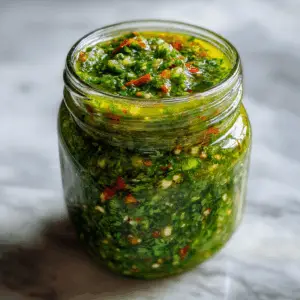
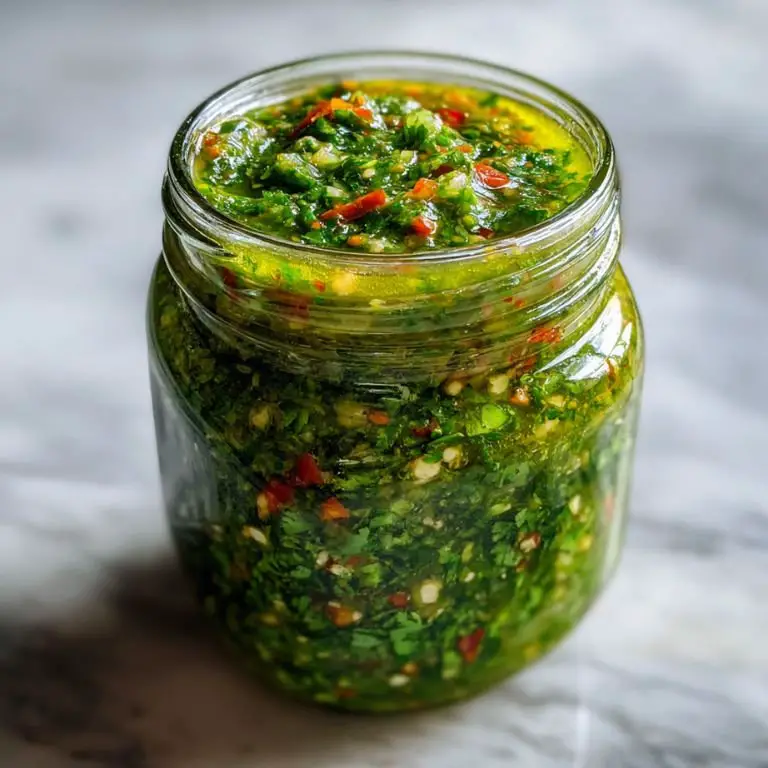
You want a chunky but unified texture—think pesto, not smoothie. Pulse in short bursts, scraping down the sides as needed. This step is essential to achieve that rustic, home-style feel that defines a traditional Puerto Rican sofrito.
Taste and Adjust
While this is a base and not meant to be eaten on its own, you can taste for balance. If it's too herbaceous, a small tomato can mellow it. If you like a tang, a dash of vinegar might help. But remember: this is meant to be cooked with.
Store Properly
Transfer your sofrito to airtight jars or portion it into ice cube trays. Freeze the trays, then transfer the cubes into a freezer-safe bag. Each cube is about one tablespoon—perfect for dropping into a hot pan when needed.
Sofrito keeps in the fridge for about 1 week and in the freezer for up to 6 months.
Pairings
Here’s where things get exciting. This sofrito isn’t just a one-trick pony. It forms the backbone of some of the most comforting dishes in Latin American cuisine—and yes, even in modern vegan chipotle recipes.
- Rice and beans: Start your beans by sautéing some sofrito in oil, then adding your soaked or canned beans and simmering with broth and spices.
- Tofu and seitan dishes: Marinate cubed tofu in a spoonful of sofrito and pan-fry it for a vegan sofritas-style filling.
- Soups and stews: Lentil stew? Vegan sancocho? Always start with sofrito in the pot.
- Vegan Sofritas: Blend sofrito with chipotle peppers in adobo, sauté with crumbled tofu, and boom—you’ve got a vegan sofritas chipotle recipe you’ll be proud of.
- Sofrito-infused grains: Use a spoonful of sofrito when boiling quinoa, farro, or rice to add Latin flair.
- Sofrito chicken (vegan): Sauté plant-based chicken with a few spoonfuls of this sofrito for a hearty, flavorful protein addition.
This base is as versatile as it is traditional. Whether you’re leaning toward vegan chipotle recipes or digging into the roots of how to make chipotle sofritas from scratch, this sofrito can help you bridge classic and modern kitchens effortlessly.
FAQs
1. Can I substitute aji dulce peppers with something else?
Aji dulces are hard to replace due to their unique sweet and floral flavor. However, if you can’t find them, you can use mini sweet peppers or a combination of sweet bell peppers with just a sliver of habanero (without seeds) for complexity—be cautious though, as habaneros are spicy.
2. Is this the same as traditional Puerto Rican sofrito?
Yes—with the exception that this version is completely vegan and fresh. Traditional Puerto Rican sofrito sometimes includes cured meats or bouillon cubes, but the base aromatics remain the same. This vegan version honors the foundation while keeping it clean and plant-based.
3. Can I use this sofrito in sofritas chipotle recipe?
Absolutely. In fact, blending this sofrito with a couple of chipotle peppers and pan-searing it with tofu or tempeh gives you a flavorful base for any chipotle sofritas or vegan sofritas dish.
4. What kind of tofu works best with this for chipotle tofu recipes?
Extra-firm tofu is best. Press it well to remove excess water, then crumble or cube it. You can sear it, bake it, or simmer it in your sofrito-chipotle blend to make a killer vegan chipotle sofritas.
5. Do I have to use oil in my sofrito?
Not at all. The oil is optional and mostly helps in blending. If you're oil-free, just add a splash of water or broth to help your blender out. You can always add oil later when cooking.