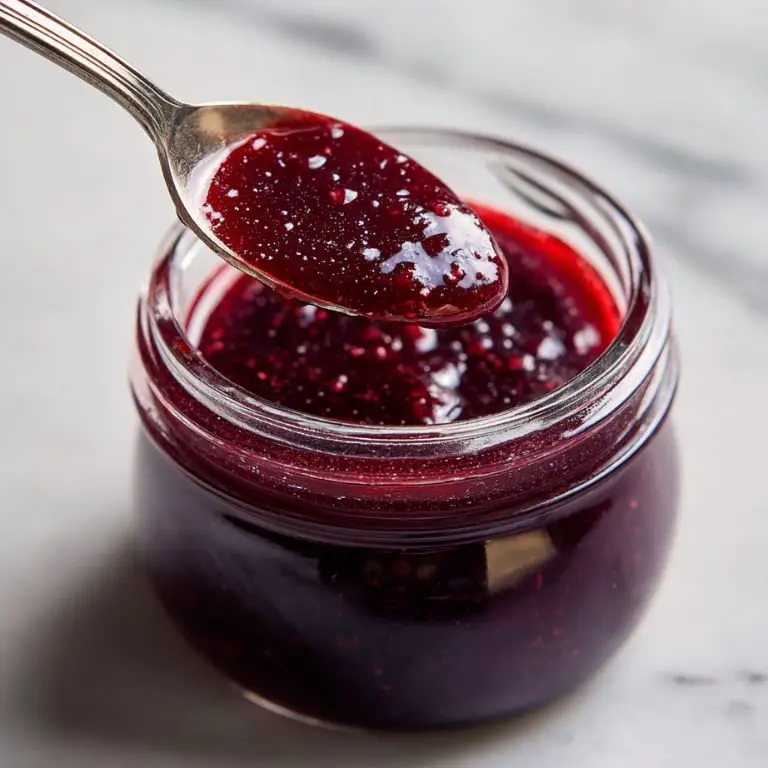
There’s something undeniably magical about the flavor balance in Chinese sauces—sweet, tangy, salty, umami-rich, and aromatic all at once. This Chinese Plum BBQ Sauce with Ginger and Star Anise is no exception. Inspired by the deep, caramelized flavors you’d find in a classic Chinese BBQ pork recipe (think char siu), this sauce marries the natural tartness of ripe plums with warm spices and savory undertones, resulting in a versatile glaze or dip you’ll want to slather on everything from grilled meats to roasted vegetables. It’s a beautiful cross between an asian bbq sauce and a traditional western barbecue sauce, with a flavor that hints at nostalgia and novelty all at once.
Chinese Plum BBQ Sauce with Ginger and Star Anise
Prep Time 10 minutes mins
Cook Time 30 minutes mins
Total Time 40 minutes mins
Course Condiment
Cuisine Chinese
Servings 2.5 cups of sauce
Medium saucepan A heavy-bottomed one prevents burning while simmering.
Wooden spoon or silicone spatula For stirring while cooking.
Fine mesh strainer or sieve To strain out the skins and spices for a smooth finish.
Blender or immersion blender To puree the cooked plums into a silky texture.
Glass jars or containers with lids For storing the finished sauce in the fridge.
- Fresh plums about 6 large, ripe ones – The heart of the sauce. Red or black plums work best for their rich flavor and tart sweetness.
- Brown sugar ¾ cup – Adds depth and complements the tartness of the plums.
- Hoisin sauce 2 tablespoons – Adds umami richness and is a nod to classic chinese bbq sauce.
- Soy sauce ¼ cup – A salty backbone that balances the sweet.
- Rice vinegar 2 tablespoons – Brightens the overall flavor.
- Fresh ginger 1 tablespoon, grated – Brings warmth and complexity.
- Garlic 3 cloves, minced – Adds aromatic sharpness.
- Star anise 2 whole pods – Infuses the sauce with a licorice-like warmth that’s distinctly Chinese.
- Sichuan peppercorns optional, ½ teaspoon crushed – For a little numbing tingle, if desired.
- Chinese five-spice powder ½ teaspoon – Enhances the depth and complexity.
- Water ½ cup – To help simmer the ingredients down into a sauce.
- Cornstarch slurry 1 tablespoon cornstarch mixed with 2 tablespoons water – For thickening the sauce.
Prep the Plums
Wash, pit, and roughly chop the plums. There’s no need to peel them, as the skins will break down during cooking and can be strained out later.
Simmer the Base
In a medium saucepan, combine the chopped plums, brown sugar, soy sauce, rice vinegar, hoisin sauce, garlic, ginger, star anise, and water. Bring the mixture to a boil over medium heat, then reduce the heat to low. Simmer uncovered for 20 minutes, stirring occasionally to prevent sticking.
Blend to Smooth
Remove the star anise pods and any whole spices. Use an immersion blender right in the pot or transfer the mixture to a standing blender. Blend until completely smooth. If you prefer a chunkier sauce, you can pulse just a few times instead.
Strain for Silky Texture
Pour the blended sauce through a fine mesh sieve back into the saucepan, using a spoon to press the sauce through. This step ensures a silky, restaurant-style finish.
Thicken
Return the smooth sauce to low heat. Add the cornstarch slurry and stir continuously until the sauce thickens to your desired consistency—usually about 5–8 minutes. The sauce should coat the back of a spoon.
Cool and Store
Let the sauce cool completely before transferring it to jars. Store in the refrigerator for up to two weeks. The flavor actually deepens after a day or two, so it’s great for make-ahead planning.
Pairings
This sauce is incredibly versatile and fits beautifully into a variety of asian sauce recipes or barbecue sauce recipes. Here’s where it really shines:
Proteins
- Grilled pork belly or ribs – Brush this sauce on during the final minutes of grilling for that sticky, lacquered finish reminiscent of chinese bbq pork.
- Chicken thighs – Especially boneless, skin-on thighs grilled or roasted.
- Tofu or tempeh – Pan-fry, then glaze for a vegetarian option that still delivers big flavor.
- Duck – A natural pairing with plum, this sauce complements duck’s rich meat beautifully.
Vegetables
- Grilled eggplant or mushrooms – The sauce adds sweet-savory contrast.
- Roasted Brussels sprouts – Toss with a few spoonfuls of the sauce before serving.
- Sweet potatoes or squash – The natural sweetness pairs well with the tangy plum base.
Grains & Sides
- Steamed jasmine or sticky rice – Soaks up the sauce beautifully.
- Cold noodle salad – Drizzle the sauce over soba or rice noodles with fresh herbs and shredded veggies.
- Spring rolls or lettuce wraps – Use as a dipping sauce for a bright, bold accent.
Pair it with a light, chilled Riesling or a dry rosé for a wine option. Or try it alongside a Japanese plum wine (umeshu) for a flavor echo that elevates the whole dish.
FAQs
1. Can I use canned plums or plum preserves instead of fresh plums?
Yes, but with caveats. If using canned plums, make sure they’re packed in juice, not syrup, to avoid an overly sweet result. Plum preserves can work in a pinch, but reduce the brown sugar in the recipe since preserves already contain added sugar.
2. Is this sauce good for grilling, or should it be added after cooking?
This sauce can be used both ways. It holds up well on the grill if applied in the last few minutes to avoid burning due to its sugar content. You can also use it post-grill as a finishing glaze or dipping sauce.
3. What kind of meat is best with this sauce?
Boneless, skin-on chicken thighs are ideal because they stay juicy and take on the glaze beautifully. Pork shoulder and ribs also work incredibly well. If you're using it for a chinese bbq pork recipe, look for pork neck or pork butt.
4. How does this compare to a Korean BBQ sauce recipe or bachan's japanese barbecue sauce recipes?
This plum bbq sauce leans fruitier and more aromatic thanks to the use of whole spices like star anise and ginger. Korean barbecue sauce recipes often focus more on soy, sesame oil, and gochujang, while bachan's Japanese barbecue sauce recipes are slightly sweeter and more soy-forward. This recipe sits somewhere in between—bold, balanced, and perfect for asian sauce recipes that need a touch of something unique.
5. Can I use this as a marinade?
Absolutely. This sauce makes an excellent marinade for meats like pork or chicken. Just be sure to reserve a separate portion for basting or serving to avoid cross-contamination.