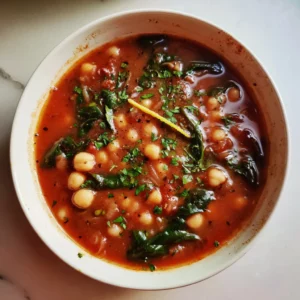
This vegan Lebanese fasolia stew is my weeknight answer to the question "what can I make that tastes like it cooked all day?" It's a cozy tomato-garlic bean stew built on caramelized onion, warm Lebanese-style spices, and a bright lemon finish, but instead of meat it leans into hearty chickpeas and tender white beans, with spinach stirred in at the end so it stays green and silky. If you're looking for a lebanese fasolia recipe that's deeply savory, pantry-friendly, and absolutely at home with rice or warm pita, this is the one I make on repeat.
Vegan Lebanese Fasolia Stew with Chickpeas and Spinach (Tomato-Garlic Comfort in a Bowl)
A cozy vegan Lebanese fasolia stew with chickpeas, white beans, spinach, and a rich tomato-garlic broth finished with lemon and olive oil.
Prep Time 20 minutes mins
Cook Time 40 minutes mins
Total Time 1 hour hr
Course Main Dish
Cuisine Lebanese
large heavy-bottom pot or dutch oven a 5- to 7-quart pot gives enough surface area to sauté the onions properly and enough depth to simmer without splashing; a dutch oven is ideal for steady heat, but any heavy soup pot works
Chef’s Knife a sharp knife makes quick work of onions and garlic; a serrated knife is handy if your canned tomatoes are whole and you want to cut them in the can
Cutting board use a stable board; if it slides, tuck a damp towel underneath
Wooden spoon or silicone spatula you want something sturdy for scraping up the flavorful browned bits (that's where a lot of the stew's depth comes from)
microplane or fine grater (optional) great for grating garlic into a paste and zesting lemon; if you don't have one, mince the garlic finely and skip the zest or peel thin strips with a vegetable peeler
Can opener or use boxed/passata-style tomatoes and skip it
Measuring cups and spoons spices matter in this lebanese bean stew, so measuring keeps the flavor balanced; if you prefer to eyeball, taste as you go and adjust at the end
Fine mesh strainer for draining and rinsing chickpeas and beans; if you don't have one, drain carefully in the can lid and rinse in a bowl of water
For the stew base
- 3 tablespoon extra-virgin olive oil use a fruity oil for finishing; substitute avocado oil for sautéing if you prefer a higher smoke point
- 1 yellow onion finely diced; white onion also works
- 6 clove garlic minced or grated; use 1 tablespoon garlic paste as a shortcut
- 2 tablespoon tomato paste this gets "fried" in oil to deepen flavor; if you love a richer tomato backbone, you can add 1 more tablespoon
- 1 teaspoon ground cumin earthy and classic with legumes
- 1 teaspoon ground coriander adds lemony warmth; substitute 1/2 teaspoon caraway if you're out
- 1 teaspoon ground allspice common in Lebanese cuisine; substitute 1/2 teaspoon cinnamon plus 1/2 teaspoon ground cloves (stronger, so go easy)
- ¼ teaspoon ground cinnamon optional but lovely for that "Lebanese stew" vibe
- ¼ teaspoon crushed red pepper optional; adjust for heat or skip
Beans, broth, and greens
- 1 canned chickpeas 15-ounce can, drained and rinsed; for extra creamy texture, lightly mash 1/4 cup of them before adding
- 2 canned cannellini beans 15-ounce can, drained and rinsed; great stand-in for traditional fasolia white beans, or use great northern beans
- 1 canned diced tomatoes 28-ounce can with juices; substitute crushed tomatoes for a smoother stew
- 2 ½ cup vegetable broth low-sodium if possible; substitute water plus 1/2 teaspoon extra salt if needed
- 1 bay leaf optional, but adds background aroma
- 4 cup baby spinach packed; substitute chopped mature spinach, Swiss chard, or kale (kale needs an extra 5 minutes)
To finish and serve
- 1 lemon zest and juice; if you love a brighter stew, add an extra squeeze at the table
- 1 teaspoon kosher salt plus more to taste; start here and adjust at the end depending on your broth
- to taste black pepper freshly ground if possible
- ¼ cup chopped fresh parsley or use cilantro if you like it
- 2 tablespoon extra-virgin olive oil for drizzling; optional, but it gives the stew that glossy restaurant finish
- 1 tablespoon tahini optional; whisk into a ladle of hot broth first so it turns creamy instead of clumpy
Prep
Dice the onion small (it should almost melt into the stew), mince or grate the garlic, and rinse and drain the chickpeas and cannellini beans. Zest the lemon directly into a small bowl, then juice it (keeping zest and juice separate makes it easier to control the final brightness).
If you want a thicker, creamier texture without adding any dairy, mash a handful of chickpeas with a fork until chunky. This is optional, but it gives the stew a velvety body that feels slow-cooked.
Build the flavor base
Set a large heavy-bottom pot over medium heat and add 3 tablespoons olive oil. Add the diced onion and a pinch of the salt. Cook, stirring often, until the onion is soft and lightly golden, 8 minutes. You're not just softening the onion here; you're building the sweet backbone that makes this lebanese fasolia recipe taste rich even though it's vegan.
Add the garlic and cook until fragrant, 1 minute. Keep it moving so it doesn't brown too hard (burnt garlic will read bitter in a tomato-based stew).
Add the tomato paste, cumin, coriander, allspice, cinnamon (if using), and crushed red pepper (if using). Cook, stirring constantly, until the tomato paste darkens slightly and starts to stick to the bottom in a good way, 2 minutes. This quick "fry" is the difference between a stew that tastes like canned tomatoes and a stew that tastes like it's been simmering all afternoon.
Simmer the stew
Pour in the diced tomatoes with their juices and scrape the bottom of the pot to loosen the browned bits. Add the vegetable broth, bay leaf (if using), remaining salt, and a few grinds of black pepper.
Add the chickpeas and cannellini beans. Bring the pot to a gentle boil over medium-high heat, then reduce to low and simmer uncovered until the stew thickens and the flavors knit together, 25 minutes. Stir every few minutes, especially toward the end, so nothing sticks.
Taste the broth. If it tastes flat, add a pinch more salt. If it tastes a little sharp from the tomatoes, keep simmering; time is the best sweetener here.
Finish with spinach and lemon
Add the spinach a couple handfuls at a time, stirring until it wilts before adding the rest, 2 minutes. You want the spinach just cooked through so it stays tender and bright, not murky.
Turn off the heat. Stir in the lemon zest, then add 2 tablespoons lemon juice. Taste and adjust: more lemon juice for brightness, more pepper for bite, or a drizzle of olive oil for richness.
Optional tahini finish: whisk 1 tablespoon tahini with 2 tablespoons hot broth in a small bowl until smooth, then stir it back into the pot. This turns the stew creamy and a little nutty, without drowning out the Lebanese spice profile.
Rest the stew off heat for 5 minutes before serving. This small pause helps the beans absorb flavor and the broth thicken slightly, which is especially helpful if you're serving it as a Lebanese dinner with rice.
Serve
Ladle into bowls and top with parsley and an extra drizzle of olive oil. Serve hot with rice, warm pita, or toasted flatbread. Leftovers are even better the next day as the stew continues to deepen, which is exactly why lebanese vegetarian recipes like this are such meal-prep heroes.
Fasolia is essentially a bean stew, most often tomato-based, common across the Levant. Many traditional versions include meat (often beef or lamb) simmered with white beans. This vegan version keeps the same cozy tomato-garlic-spice profile but swaps in chickpeas, cannellini beans, and spinach for a hearty, plant-based stew that still tastes true to lebanese recipes authentic in spirit.
Fasolia is usually made with red meat, not poultry. The most common choices are boneless beef stew meat (often cut from chuck) or lamb shoulder cut into chunks. Bone-in pieces also work (like lamb shank), but they need a longer simmer and you'll skim more fat. Chicken breast or thigh isn't traditional here, but if you do use chicken, boneless thighs hold up better than breast in a long simmer.
Yes. For this lebanese bean stew, cook the dried beans separately until tender (they should be fully cooked before they go into the tomato base, because acidic tomatoes can slow softening). You'll need about 3 cup cooked beans total to replace the canned chickpeas and cannellini beans. Add a splash of extra broth during simmering if it looks too thick.
The easiest method is time: simmer uncovered so water evaporates. For extra body, mash some chickpeas against the side of the pot or blend 1 cup of the stew and stir it back in. A spoonful of tahini whisked with hot broth and added at the end also thickens and adds richness.
It keeps well refrigerated for 4 days and tastes even better on day two. Freeze for 2 months in airtight containers. Thaw overnight in the fridge, then rewarm gently on the stove with a splash of broth or water to loosen the texture; add a fresh squeeze of lemon at the end to wake the flavors back up.