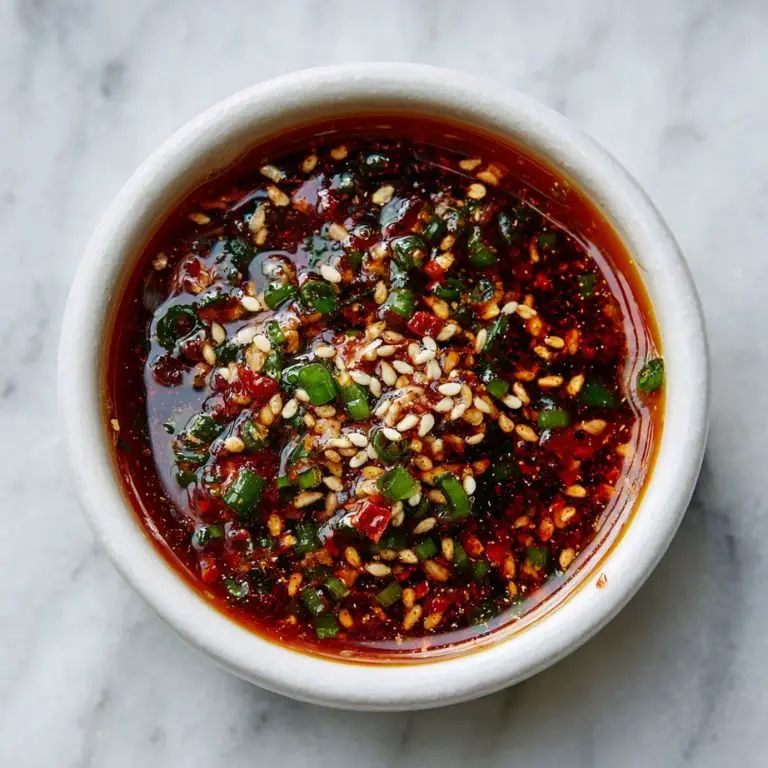
Korean pork belly, or samgyeopsal, is already a celebration of flavor—crispy on the outside, juicy and fatty inside. But when it comes to elevating this grilled perfection, the right dipping sauce is everything. Enter the spicy vinegar dipping sauce, a punchy, tangy, and slightly sweet blend that slices right through the richness of pork belly and makes every bite unforgettable. This isn’t just another korean bbq dipping sauce—it’s the one you’ll find yourself spooning over everything from grilled meats to leftover rice. Whether you’re enjoying korean bbq at home, planning a spread of korean bbq sides, or experimenting with korean bbq tacos, this dipping sauce needs a permanent place at your table.
Let’s dive into this sharp and fiery flavor bomb and learn why this dipping sauce deserves a spot in your asian dipping sauce recipes rotation.
Spicy Vinegar Dipping Sauce for Korean Pork Belly
Prep Time 5 minutes mins
Total Time 5 minutes mins
Course Condiment, Dip
Cuisine Korean
Servings 4 people as a dipping sauce
Mixing bowl A small bowl, preferably glass or ceramic, is ideal for combining acidic ingredients.
Whisk or Fork To emulsify the sesame oil into the vinegar base.
Grater or garlic press For finely grating garlic.
Measuring Spoons Accuracy is important to get the balance just right.
Spoon or small ladle To portion or drizzle the sauce when serving.
- 2 tablespoons soy sauce – Adds deep umami and saltiness; opt for low-sodium if you’re watching your salt intake.
- 2 tablespoons rice vinegar – The backbone of the tang; you can also use apple cider vinegar if needed.
- 1 tablespoon Korean chili flakes gochugaru – Brings heat and vibrant color; don’t substitute with generic red pepper flakes.
- 1 teaspoon sesame oil – Adds toasty nuttiness and depth.
- 1 clove garlic finely grated or minced – Fresh garlic gives a spicy punch and bold aroma.
- 1 green onion thinly sliced – Adds freshness and a hint of sharpness.
- 1 teaspoon sugar – Balances out the acid and heat just enough.
- ½ teaspoon toasted sesame seeds – Optional but adds texture and nuttiness.
- 1 teaspoon fish sauce – Optional but adds umami complexity. Can be swapped for a bit more soy sauce for vegetarians.
- 1 fresh Thai chili optional, finely sliced – For those who want an extra layer of heat. Adds a slight nod to thai dipping sauce styles.
Combine the Wet Ingredients
In your mixing bowl, add soy sauce, rice vinegar, sesame oil, and fish sauce (if using). These are your base flavors—salty, tangy, nutty, and umami-rich.
Add the Heat and Sweet
Sprinkle in gochugaru and sugar. Stir vigorously to dissolve the sugar completely and evenly distribute the chili flakes. You’ll start to see the sauce turn a beautiful reddish-brown.
Incorporate Fresh Aromatics
Mix in your grated garlic and sliced green onions. These will infuse the sauce as it sits, bringing a sharp, fresh edge.
Add Texture and Final Touches
Toss in sesame seeds and Thai chili slices (if using). Give it one final stir and let it sit for at least 5 minutes before serving.
Serve with Korean Pork Belly
Pour into small dipping bowls. Serve alongside sizzling slices of grilled pork belly, wrapped in lettuce with rice, kimchi, and ssamjang.
This sauce only gets better as it rests—so if you’re prepping ahead for korean bbq at home, you can make it a few hours in advance and let the flavors mingle.
Pairings
This spicy vinegar dipping sauce is designed to pair with the fatty, crispy bites of grilled pork belly, but don’t stop there. Its vibrant acidity and heat make it versatile:
- Korean BBQ Tacos
Drizzle over fusion tacos filled with grilled bulgogi or pork belly for a zesty hit that cuts through richness.
- Grilled Vegetables
Dipping roasted eggplant, mushrooms, or zucchini into this sauce brings out their smoky sweetness.
- Korean BBQ Sides
Works great with sides like scallion pancakes, mung bean pancakes (bindaetteok), or steamed dumplings.
- Fried Foods
A natural match for anything fried, including crispy tofu, tempura, or korean fried chicken. It offers a leaner alternative to heavy sauces like korean fried chicken sauce or honey-butter glazes.
- Rice Bowls or Noodles
Mix a spoonful into warm rice or drizzle over cold soba noodles for an instant flavor boost.
And yes, while it shines as a korean bbq sauce, you’ll find this fits just as comfortably in your lineup of asian bbq sauce options. It can even be a lighter, tangier substitute for heavier japanese bbq sauce recipes when you're looking for something more vinegar-forward.
FAQs
1. What type of pork belly works best with this dipping sauce?
Thick-cut, skinless pork belly slices are ideal. You want pieces that are fatty enough to crisp well on a grill or pan without drying out. If you're using pre-sliced pork belly (like those sold for korean bbq at home), aim for pieces about ¼ inch thick.
2. Can I use this sauce for other meats?
Absolutely. This pairs beautifully with grilled beef (especially if marinated in a korean bbq marinade), chicken, shrimp, or even tofu. It adds contrast to any rich, grilled dish.
3. Is there a vegetarian version of this sauce?
Yes—just omit the fish sauce and either add a splash more soy sauce or a few drops of mushroom-based soy sauce for that earthy umami.
4. How long does this sauce keep?
Stored in an airtight container in the fridge, it’ll keep for up to 5 days. The garlic and onion flavors intensify over time, making it even bolder the next day.
5. What’s the difference between this and traditional Korean barbecue sauce?
Great question. Traditional korean barbecue sauce recipes (like bulgogi sauce or kalbi sauce) are usually sweet, thick, and soy-based—often incorporating pear, sugar, and mirin. This vinegar-based sauce, by contrast, is more acidic, spicy, and used as a table condiment, not a marinade.