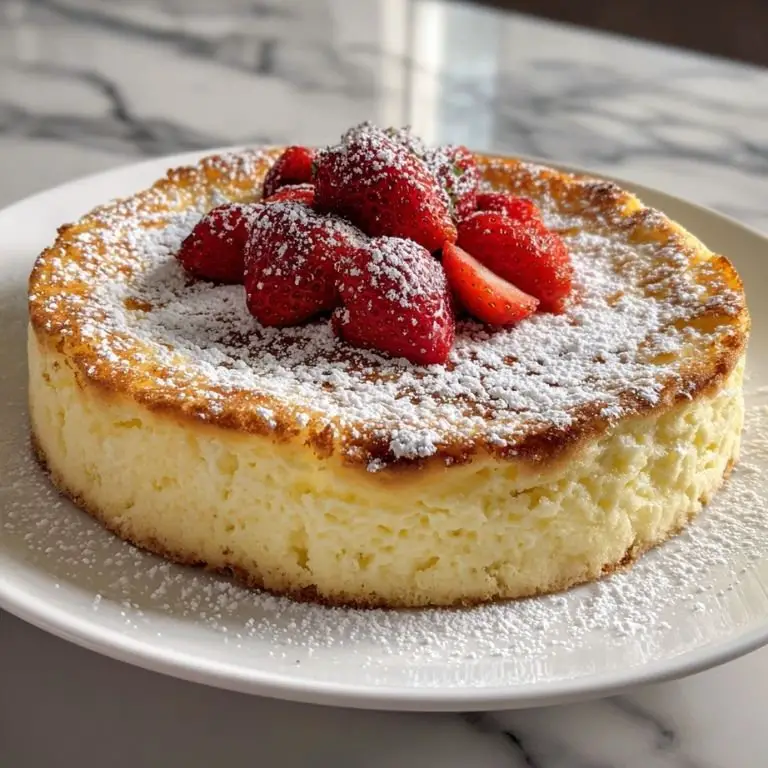
There’s something incredibly comforting about a slice of oven-baked tvorog cheesecake with lemon zest—it’s light, tangy, and gently sweet, just like your babushka might’ve made. If you’re unfamiliar with tvorog, it's a type of farmer’s cheese widely used in Eastern European and Slavic cooking. This cheesecake draws on generations of tradition and blends it with a modern twist through the addition of zesty lemon, creating a dessert that feels both nostalgic and fresh. This dish is a staple among popular russian desserts, often passed down in families as a cherished authentic russian dessert recipe. If you’ve ever wanted to recreate a classic russian dessert recipe or explore something like a ukrainian cheesecake, this is the perfect place to start.
Oven-Baked Tvorog Cheesecake with Lemon Zest
Prep Time 15 minutes mins
Cook Time 50 minutes mins
Total Time 1 hour hr 5 minutes mins
Course Dessert
Cuisine Russian
Mixing bowls One large for combining the batter and a smaller one for mixing the eggs and sugar.
Hand mixer or stand mixer While you can whisk by hand, an electric mixer helps achieve that airy texture faster.
9-inch springform pan Ideal for easy release and neat slices. A standard cake pan works too, but be sure to line it well with parchment.
Spatula For smooth mixing and transferring the batter.
Microplane or fine grater To zest the lemon finely without the bitter pith.
500g tvorog (farmer’s cheese or well-drained ricotta as a substitute)
- For an authentic touch use fresh tvorog from a local Eastern European market. If unavailable, you can use a good-quality farmers cheese or a blend of ricotta and cream cheese.
3 large eggs
- These bind the ingredients and create a silky texture.
120g (about 2/3 cup) granulated sugar
- Sweetens the cheesecake without overpowering the lemon.
Zest of 1 lemon
- Brightens the flavor with citrusy freshness.
2 tbsp semolina or all-purpose flour
- Helps the batter set and provides a gentle structure.
100g sour cream (or Greek yogurt)
- Adds creaminess and a slight tang that complements the tvorog.
Optional Topping:
- Powdered sugar for dusting
- Fresh berries or a light berry compote
Preheat and Prep
Start by preheating your oven to 325°F (165°C). Line the base of your springform pan with parchment paper and lightly grease the sides. This helps prevent sticking and allows for easy removal after baking.
Beat the Eggs and Sugar
In a mixing bowl, whisk the eggs and granulated sugar together until light and frothy. This step is crucial for that classic fluffy texture seen in russian cheesecake bars and polish cheesecake recipes.
Add the Tvorog and Cream
In another large bowl, combine the tvorog, sour cream, vanilla extract, and lemon zest. If your tvorog is chunky, you can press it through a sieve or blend it briefly with a hand blender to get a smoother texture—this mimics the lightness of a polish cheesecake or ukrainian cheesecake recipe.
Combine Wet Ingredients
Slowly pour the egg-sugar mixture into the tvorog mixture. Stir gently until fully incorporated, avoiding overmixing, which can make the final cake too dense.
Add Dry Ingredients
Fold in the semolina (or flour) and a pinch of salt. The semolina gives the cake a subtle body without heaviness, a technique common in many russian torte recipes.
Bake the Cheesecake
Pour the batter into your prepared pan and smooth out the top with a spatula. Bake for 45–50 minutes until the top is lightly golden and set but still slightly jiggly in the center. Don’t overbake—cheesecake firms up as it cools.
Cool Slowly
Let the cheesecake cool in the oven with the door slightly ajar for 30 minutes to prevent cracking. Then transfer to a wire rack until fully cooled. Chill in the fridge for at least 2 hours (preferably overnight) for best flavor and texture.
Garnish and Serve
Dust with powdered sugar and top with fresh berries or a drizzle of honey. Serve cold or at room temperature—both are equally delightful.
Pairings
This lemon-scented tvorog cheesecake pairs beautifully with:
- Hot Beverages: A cup of black tea (especially Russian Caravan or Ceylon) brings out the cheesecake’s richness. Coffee works just as well if you prefer a bolder sip.
- Fruit Compotes: Try a tart cherry or raspberry compote for contrast—something found in many sweet cake recipes in Russian homes.
- Dessert Wine or Cordials: A small glass of chilled muscat or limoncello echoes the lemon notes.
- Savory Brunch Items: It’s not uncommon in Eastern Europe to serve cheesecake alongside lighter savory fare, such as smoked fish, rye bread, or cucumber salads.
FAQs
1. What type of cheese should I use for a true Russian cheesecake?
Authentically, tvorog is the cheese of choice. It's similar to farmers cheese but drier and tangier. If you can’t find tvorog, opt for a high-quality farmers cheese or a mixture of ricotta and cream cheese, well-drained.
2. Can I make this with reduced fat dairy products?
You can, but the final texture may be less creamy. Full-fat ingredients give the best result for a proper russian cheesecake recipe.
3. Is this the same as a Polish or Ukrainian cheesecake?
Very close! The ingredients and textures are incredibly similar. A polish cheesecake might include a touch of cinnamon or raisins, while a ukrainian cheesecake often uses the same base of tvorog but may be slightly more dense. This version leans toward a lighter, more airy style.
4. Can I make this ahead of time?
Absolutely. This cheesecake actually tastes better the next day, once the flavors have had time to meld. It’s a perfect make-ahead dessert for holidays or gatherings.
5. Is this considered a traditional dessert in Russia?
Yes, this cake is a staple in many homes and is considered one of the more classic russian dessert recipes. It's commonly made during Easter, holidays, or even just for weekend tea. It's a comforting, familiar flavor in many Slavic households and remains a favorite among popular russian desserts.