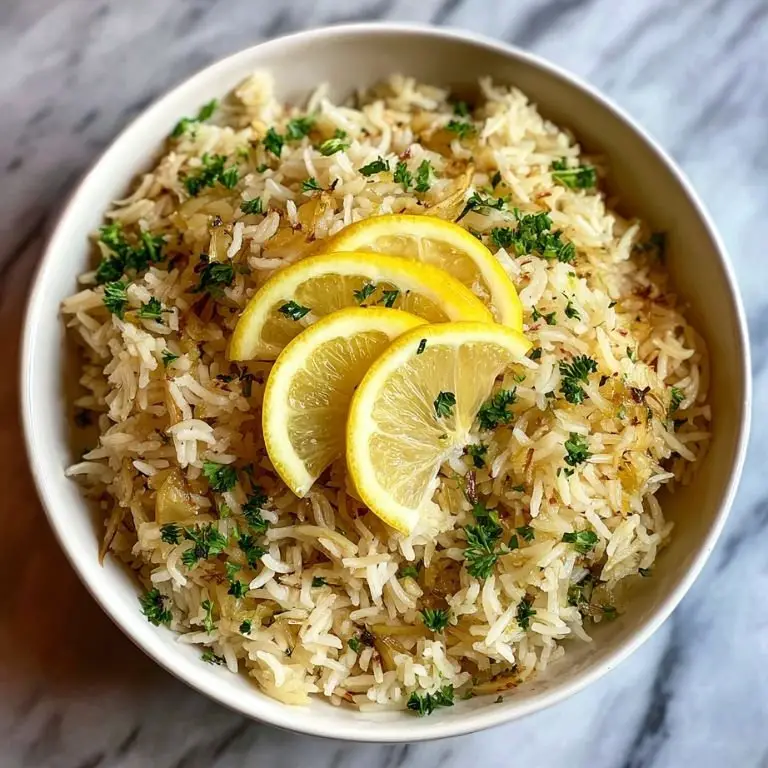
If you're looking for a bright, fragrant, and comforting rice side that works just as well for a weeknight dinner as it does for a fancy gathering, this Lemon Herb Pilaf with Fresh Parsley and Garlic is your answer. Packed with citrusy flavor, fresh herbs, and a gentle garlic kick, this dish is more than just a side—it’s a scene-stealer. It’s especially perfect when you're craving something that feels elevated but still fits into your collection of easy dinner recipes. Whether you're serving it alongside grilled meats, roasted vegetables, or even a plant-based main like vegetarian chicken, this pilaf will bring a pop of brightness to the table.
This version of rice pilaf draws inspiration from Greek rice pilaf and middle eastern rice recipes, both known for layering herbs, aromatics, and subtle spices into long-grain rice. But here’s the twist: we keep it simple and fresh with lots of lemon juice and zest, a generous handful of chopped parsley, and enough garlic to make things interesting—without overpowering the dish. It's a fantastic addition to your best rice recipes collection and is definitely a rice side dish you’ll come back to often.
Lemon Herb Pilaf with Fresh Parsley and Garlic
Prep Time 10 minutes mins
Cook Time 20 minutes mins
Total Time 30 minutes mins
Course Side Dish
Cuisine Mediterranean, Middle Eastern
Medium Saucepan with Lid Ideally nonstick or stainless steel. A tight-fitting lid is key for evenly steamed rice.
Wooden Spoon or Spatula For sautéing the aromatics and fluffing the rice later.
Zester or microplane For the lemon zest.
Citrus juicer (optional) Makes it easier to get every drop of lemon juice.
Chef’s knife and cutting board For prepping your onions, garlic, and herbs.
- 1 ½ cups long-grain white rice Basmati or Jasmine rice preferred for a fluffy, non-sticky texture
- 3 tablespoons olive oil
- 1 small yellow onion finely chopped
- 4 garlic cloves minced
- 2 ½ cups low-sodium vegetable broth or chicken broth if not keeping it vegetarian
- 1 lemon zested and juiced
- ½ teaspoon salt or to taste
- ¼ teaspoon black pepper
- 1 bay leaf
- ½ teaspoon dried oregano optional for a Greek-style twist
- ⅓ cup chopped fresh parsley
- 1 tablespoon butter optional, for richness at the end
Optional add-ins:
- ½ cup diced carrots or peas if you want a more colorful rice pilaf with vegetables
- Toasted pine nuts or slivered almonds for added texture
Prep your ingredients
Finely dice the onion and mince the garlic. Zest and juice the lemon. Chop the parsley and set it aside.
Sauté the aromatics
In your saucepan, heat the olive oil over medium heat. Add the chopped onion and sauté for about 3–4 minutes, until translucent and soft. Stir in the garlic and cook for another 30 seconds until fragrant, but be careful not to burn it.
Toast the rice
Add the uncooked rice to the pot. Stir constantly for 2–3 minutes to coat the grains in the oil and toast them lightly. This step helps the rice absorb flavor and cook up fluffy.
Add broth and seasonings
Pour in the vegetable broth, lemon juice, salt, pepper, bay leaf, and oregano (if using). Bring the mixture to a gentle boil, then reduce the heat to low.
Simmer and cook
Cover the saucepan tightly with a lid. Let the rice cook on low heat for 15 minutes, or until all the liquid has been absorbed and the rice is tender. Don’t peek during this time—it interrupts the steam process.
Fluff and finish
Remove the pot from the heat. Let it sit, covered, for 5 minutes. Then discard the bay leaf, fluff the rice gently with a fork, and stir in the lemon zest, fresh parsley, and optional butter.
Serve warm
Spoon into a serving dish and enjoy while hot. It’s just as tasty served at room temperature if you're making it for a picnic or buffet.
This easy rice pilaf is incredibly versatile, pairing beautifully with a range of dishes across cuisines.
It also makes an excellent addition to a mezze spread or a side dish at a holiday meal. If you’ve been searching for interesting rice side dishes to upgrade your dinner table, this one’s a keeper.
Long-grain white rice like Basmati or Jasmine works best. They stay separate and fluffy, unlike short-grain rice which tends to clump.
Yes, but you’ll need to increase the cook time to around 40–45 minutes and adjust the liquid to 3 cups of broth instead of 2 ½.
Definitely! Diced carrots, peas, bell peppers, or spinach stirred in at the end work great for a rice pilaf with vegetables. It’s an easy way to make it more colorful and nutritious.
Pilaf recipes involve toasting the rice in oil with aromatics before cooking it in broth. This adds flavor and helps the grains stay fluffy and separate, unlike boiled rice which is simply cooked in water.
This lemon herb pilaf has similarities to Greek rice pilaf and certain middle eastern rice recipes, but with a brighter citrus flavor. It's lighter than something like a pilau rice recipe from South Asia, which typically includes warm spices and a richer base.