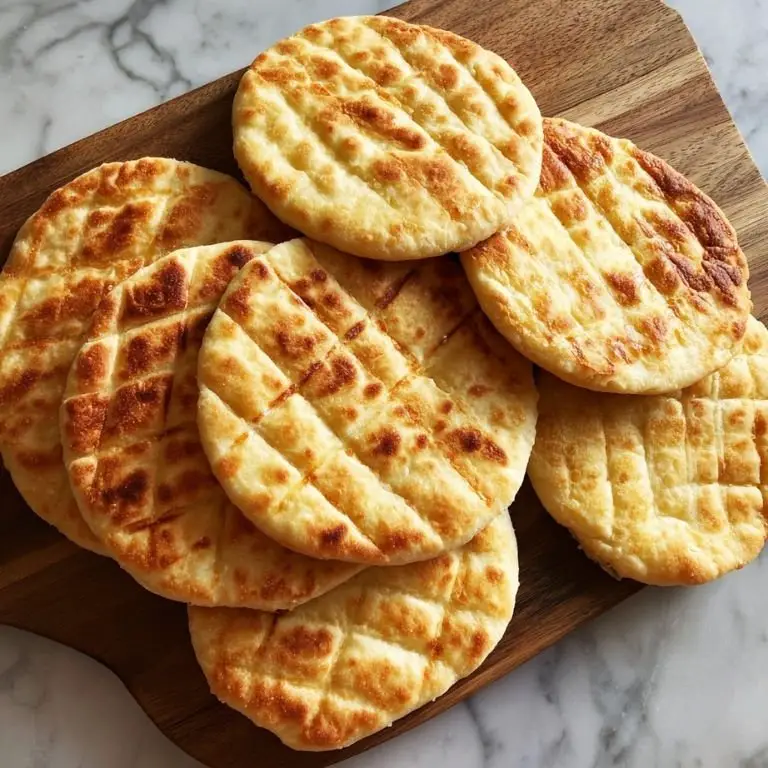
Lepinja, the pillowy Balkan flatbread that’s essential for serving traditional cevapi, deserves more love than it gets. Light, chewy, and with just enough char when grilled, these buns act as both a vessel and a complement to the rich, smoky meat tucked inside. In this recipe, we're diving into how to make grilled lepinja buns from scratch—whether you're pairing them with juicy cevapi, grilled meats, or simply dipping into ajvar or kajmak, this bread holds its own. Think of this as a love letter to Balkan bread traditions, with just the right balance of chewy interior and crisp, slightly blistered crust. If you've ever been curious about Slovenian flatbread recipes or looking to expand your collection of flatbread recipes, this one's a must-try.
Grilled Lepinja Buns
Prep Time 25 minutes mins
Cook Time 10 minutes mins
Rising Time 1 hour hr
Total Time 1 hour hr 35 minutes mins
Course Side Dish
Cuisine Balkan
Large Mixing Bowl (or stand mixer with dough hook)
Measuring cups and spoons
Clean kitchen towel or plastic wrap
Cast iron skillet or grill pan (for indoor grilling)
Outdoor grill (gas or charcoal) for the most authentic results
Rolling Pin
For the Dough
- 4 cups 500g all-purpose flour (plus extra for dusting)
- 1 ½ tsp salt
- 1 tbsp sugar
- 2 ¼ tsp active dry yeast 1 packet
- 1 ½ cups warm water 110°F / 45°C
- 3 tbsp olive oil plus extra for greasing
Optional Topping
- Melted butter or olive oil for brushing
- Pinch of sea salt or za'atar if serving standalone
Activate the Yeast
In a small bowl, combine the warm water, sugar, and active dry yeast. Stir gently and let it sit for 5–10 minutes until foamy. If it doesn’t foam, your yeast might be inactive—start over with a fresh packet.
Make the Dough
In a large mixing bowl, combine the flour and salt. Add the foamy yeast mixture and olive oil. Stir with a wooden spoon or mix on low speed if using a stand mixer. The dough should be sticky but come together into a ball.
Knead the Dough
Knead the dough on a lightly floured surface for about 10 minutes, or let the stand mixer do the work for 7 minutes. You’re aiming for a smooth, slightly tacky dough that springs back when poked.
First Rise
Transfer the dough to a lightly greased bowl, cover with a towel or plastic wrap, and let it rise in a warm place for 1 hour. It should double in size.
Divide and Shape
Punch down the dough and divide it into 6 equal pieces. Shape each piece into a ball, then roll each ball into a round disk about ½ inch thick. Thicker than pita, thinner than naan.
Rest Before Grilling
Place the dough rounds on a lightly floured surface or parchment-lined tray. Cover and let them rest for 15 minutes—this relaxes the gluten and makes them easier to grill.
Grill the Buns
Preheat your grill or cast iron pan to medium-high. Lightly oil the surface. Grill each lepinja for 2–3 minutes per side, pressing slightly with a spatula for even cooking. You’re looking for puffed dough, defined grill marks, and a slightly charred exterior.
Brush and Serve
For extra flavor, brush the hot buns with melted butter or olive oil as they come off the grill. Let them cool slightly before slicing open for cevapi sandwiches.
Pairings
Best Served With
- Cevapi (of course!) – grilled Balkan sausages made from a mix of beef and lamb or pork.
- Ajvar – a roasted red pepper and eggplant spread that adds tang and richness.
- Kajmak – a creamy, tangy dairy spread similar to clotted cream or whipped feta.
- Sliced raw onions – for sharp contrast and authenticity.
Other Ideas
- Use lepinja as a base for open-faced sandwiches or flatbread pizzas.
- Serve alongside grilled meats, kebabs, or kofta.
- Dip into soups like bean stew (grah) or serve with hearty Balkan salads.
This versatile bread plays well with anything smoky, spicy, or rich in flavor. It’s also delicious on its own with just a drizzle of olive oil and a pinch of sea salt.
FAQs
1. Can I use bread flour instead of all-purpose flour?
Yes! Bread flour will give the buns a chewier texture due to the higher protein content. It’s closer to how some traditional bosnian bread recipes are made, though all-purpose flour works beautifully too.
2. Is it necessary to grill the buns?
Grilling adds a smoky flavor and authentic texture, especially if you're trying to recreate a traditional balkan flatbread. However, you can also bake them in a 475°F (245°C) oven on a pizza stone or heavy baking sheet.
3. Can I freeze lepinja buns?
Absolutely. Let them cool completely, wrap tightly, and freeze for up to 3 months. Reheat in the oven or on a skillet for best results.
4. What makes lepinja different from pita or naan?
Lepinja is typically thicker than pita, softer than naan, and has a slightly more spongy interior. It's designed to soak up meat juices without falling apart, which makes it ideal for things like cevapi sandwiches.
5. Can I make these buns without yeast?
While traditional lepinja bread recipes use yeast, you can experiment with baking powder or yogurt-based quick versions. But for that stretchy, chewy bite that defines authentic Serbian flatbread or traditional Bulgarian flatbread, yeast is essential.