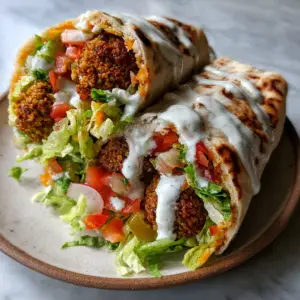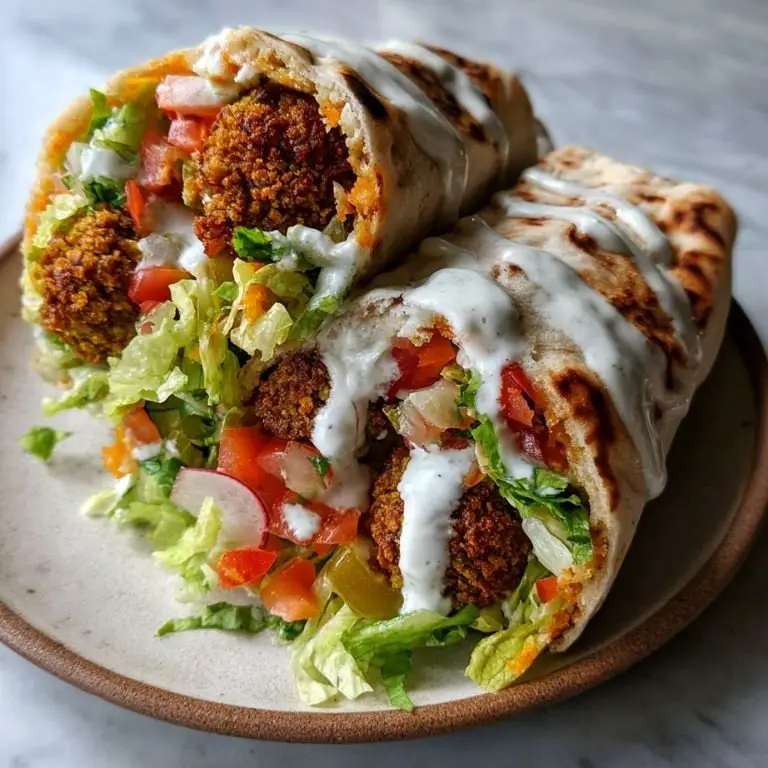
If you’ve ever bitten into a warm, toasty falafel wrap and wondered what makes it so irresistibly bold and zesty, the answer is almost always toum. This Lebanese garlic sauce is a game-changer, especially when paired with crunchy falafel, pickled vegetables, and fluffy pita. Think of it as the garlicky cousin of mayonnaise, but lighter, fluffier, and far more intense. Whether you're building a plant-based wrap or adding grilled meats, toum transforms it into something special.
What makes this garlic toum so perfect for falafel wraps is its airy texture and punchy flavor. It's naturally vegan, made with just garlic, oil, lemon juice, and salt—but the alchemy lies in how it's blended. If you’re familiar with other emulsified sauces like aioli or mayonnaise, you’ll appreciate how similar, yet unique, toum is. While commonly used in Lebanese recipes, its versatility stretches across cuisines, making it a great companion to Asian recipe favorites or even part of your easy dinner recipes rotation.
Let’s dive into the details of making the perfect garlic toum that’s ideal for falafel wraps but can honestly elevate just about anything.
Toum is traditionally served with grilled meats like chicken shawarma, lamb kebabs, or roasted beef, but its flexibility is what makes it truly brilliant. For falafel wraps, it works best layered directly over warm pita or lavash, followed by crispy falafel, shredded lettuce, tomatoes, pickled turnips, and a sprinkle of sumac. Wrap it up tight, and you've got a street food classic in your hands.
It also makes an amazing dip for mantou recipe steamed buns, a creamy addition to any donburi recipe as a sauce twist, or even a zesty layer under tonkatsu recipe pork cutlets. Try it alongside roasted vegetables, drizzled over fries, or even thinned with a little water to become a salad dressing. In fact, some chefs even incorporate it into Thai recipe-inspired noodle dishes for an unexpected pop of garlic.
You can even go fusion with this—imagine dipping fluffy baozi recipe buns in toum or using it as a condiment in Japan recipes-inspired bento boxes. And don’t underestimate its potential in seafood; toum and grilled shrimp make a duo worth featuring in tomyam seafood photography sessions.
Fresh, firm garlic cloves are best. Avoid pre-minced garlic or those stored in oil or water, as they won’t emulsify well and might create an off taste.
Toum can “break” if the oil is added too quickly or if the garlic and lemon juice aren’t cold enough. Emulsions are sensitive, so go slow and steady. If it breaks, try blending in a few ice cubes or an egg white (though that makes it no longer vegan).
Technically yes, but it’s not recommended. The strong flavor of olive oil can overpower the garlic, and it tends to turn bitter when blended at high speeds.
Toum is made with natural ingredients and no preservatives, and it's vegan. However, it is oil-based and high in fat, so it’s rich—use it as you would any condiment.
Absolutely. Toum plays well with Mediterranean, Asian, and fusion cuisines. It complements grilled meats, roasted veggies, wraps, and even sandwiches. It’s particularly delicious in anything smoky or spicy, adding a creamy contrast.