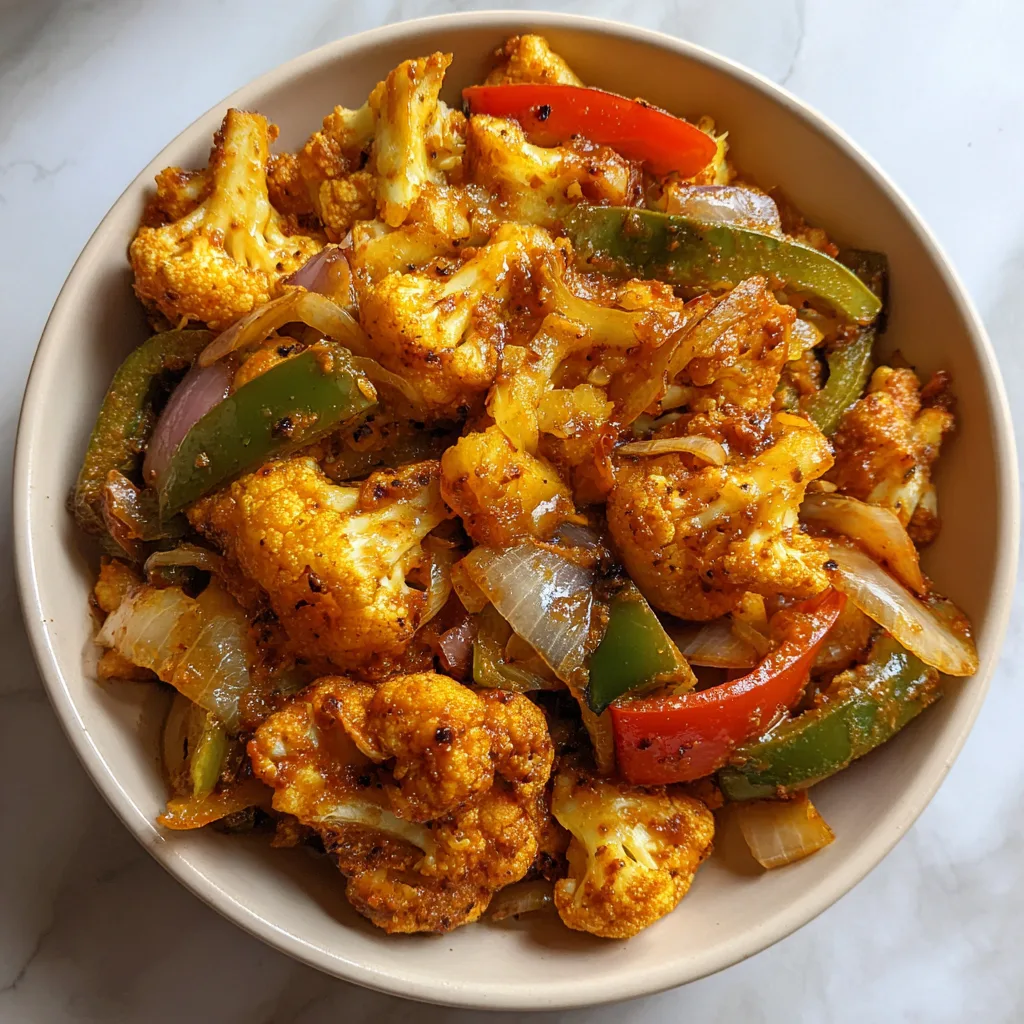
This mixed vegetable jalfrezi is my go-to when I want a loud, colorful pan of vegetables that tastes like it came from a good Indian restaurant, but actually lands on the table fast. Think crisp-tender veggies, sweet onions, and bell peppers tossed in a tangy-spiced tomato masala that clings to everything in the best way. It hits that sweet spot between saucy and stir-fried (so it never turns into a mushy stew), which is exactly why it works as a sabzi recipe indian foods fans will make on repeat.
Mixed Vegetable Jalfrezi: Indian Stir-Fried Veggie Medley (Weeknight Mix Veg Sabzi)
A quick, restaurant-style mixed vegetable jalfrezi (mix veg sabzi) with crisp-tender veggies in a punchy tomato-spice stir-fry masala.
Prep Time 20 minutes mins
Cook Time 20 minutes mins
Total Time 40 minutes mins
Course Side Dish
Cuisine Indian
Large skillet or wok 12-inch stainless steel or cast iron is ideal for high heat; a nonstick skillet works too, but you may need slightly less heat to prevent scorching
sharp chef knife for fast, even chopping; a santoku knife also works
Cutting board use a large board so you can keep onions, peppers, and mixed vegetables separated
Box grater or microplane for grating ginger and garlic; you can also mince with a knife
measuring spoon helps keep the spice blend consistent; if you eyeball it, taste and adjust at the end
Wooden Spoon or Spatula wood is great for scraping browned bits; silicone works for nonstick pans
Small bowl for mixing the finishing masala slurry so it hits the pan evenly
for the vegetables
- 2 tablespoon neutral oil sunflower, canola, peanut, or avocado oil; ghee is delicious but can brown faster
- 1 cup yellow onion thinly sliced, not diced (slices stay a little snappy, which is classic jalfrezi)
- 1 cup green bell pepper cut into 1-inch squares; you can use all green or mix colors
- 1 cup red bell pepper cut into 1-inch squares; adds sweetness and color
- 1 cup cauliflower florets bite-size (too large and it stays raw inside)
- 1 cup green beans trimmed and cut into 1-inch pieces; snap peas also work
- 1 cup carrot sliced on a slight bias for faster cooking; baby carrots are fine if sliced
- 1 cup frozen green peas do not thaw (they warm through quickly and stay bright)
- 1 teaspoon kosher salt plus more to taste, especially if your tomatoes are very acidic
for the jalfrezi masala
- 1 tablespoon ginger freshly grated (or 1 tablespoon ginger paste)
- 1 tablespoon garlic freshly grated (or 1 tablespoon garlic paste)
- 1½ teaspoon ground cumin toasty and earthy; you can use 1 teaspoon cumin seed if you like more texture
- 1½ teaspoon ground coriander adds lemony warmth; skip only if you must
- ½ teaspoon ground turmeric for color and gentle bitterness
- 1 teaspoon kashmiri chili powder mild heat and great color; substitute with ½ teaspoon paprika plus ½ teaspoon cayenne if needed
- 1 cup crushed tomatoes canned is consistent; if using fresh, blend and strain for a smoother masala
- 1 tablespoon tomato paste optional, but it gives that restaurant-style depth fast
- 1 teaspoon garam masala add near the end so it stays fragrant
- 1 teaspoon kasuri methi crushed dried fenugreek leaves; optional, but it makes the flavor feel finished
- 1 tablespoon lemon juice or use 1 teaspoon vinegar for sharper tang
- ⅓ cup water use to loosen the masala; add 1 tablespoon more if the pan looks dry
- ¼ cup cilantro roughly chopped, for serving
optional finishing boost (highly recommended)
- 1 teaspoon sugar just a pinch to balance very acidic tomatoes (skip if your tomatoes are naturally sweet)
- 1 tablespoon butter stir in at the end for glossy, restaurant-style richness; ghee also works
prep (set yourself up for a fast stir-fry)
Chop everything before you heat the pan. Slice the onion thin, then cut bell peppers into 1-inch squares. Cut cauliflower into small florets, slice carrot thin on a bias, and cut green beans into 1-inch pieces. Keep the peas in the freezer until you need them so they stay bright. This is the secret to making this feel like quick cooking recipes: once the pan is hot, it moves fast.
Mix the masala base in a small bowl: crushed tomatoes, tomato paste (if using), and water. In a second small bowl, measure out cumin, coriander, turmeric, and kashmiri chili powder so you can add them in one go without hunting for jars.
stir-fry the vegetables (keep them crisp-tender)
Heat a large skillet or wok over medium-high heat for 2 minutes. Add oil, then add onion with ½ teaspoon salt. Stir-fry for 4 minutes until the onion softens and picks up a little browning on the edges.
Add cauliflower, carrot, and green beans with 2 tablespoon water. Stir and cover for 3 minutes to kick-start steaming (this cooks the dense vegetables without drowning them). Uncover and stir-fry for 2 minutes to drive off extra moisture.
Add the bell peppers and stir-fry for 2 minutes. The goal is glossy, hot, and still slightly crisp. If the pan looks dry, add 1 teaspoon oil rather than lowering the heat.
build the jalfrezi masala (fast, punchy, not watery)
Push the vegetables to the edges of the pan, making a space in the center. Add ginger and garlic to the center and stir constantly for 30 seconds until fragrant (do not let it burn).
Add the pre-measured ground spices to the center and toast for 20 seconds, stirring. You are looking for a darker color and a nutty aroma.
Pour in the tomato mixture and stir everything together. Cook for 6 minutes, stirring often, until the masala thickens and looks glossy. If you see oil separating at the edges, you are right where you want to be.
Add frozen peas and cook for 2 minutes, just until warmed through. Stir in garam masala, kasuri methi (if using), lemon juice, and the remaining ½ teaspoon salt. Taste and adjust: more salt for overall flavor, more lemon for brightness, or a pinch of sugar if the tomatoes are sharp.
Turn off the heat and stir in butter (if using). Let the pan sit for 2 minutes so the flavors settle, then top with cilantro.
how to serve (make it a full meal)
Serve hot as a sabzi with roti, paratha, or naan. For a rice bowl, spoon it over basmati rice and add plain yogurt on the side to cool the spices. This is one of those easy veg recipes that also holds up for lunch the next day.
Pairings
Here is what I love with this mixed vegetable jalfrezi, depending on your mood:
breads (classic and cozy)
- roti or phulka: the dry, toasty bread soaks up the thick jalfrezi masala without turning soggy.
- paratha: especially good if you want this to feel like a comfort meal.
rice and grain bowls (weeknight friendly)
- basmati rice: keep it simple and fluffy so the vegetables stay the star.
- jeera rice: the cumin plays nicely with the coriander and garam masala.
- quinoa: not traditional, but it works if you are chasing cooking recipes healthy while still wanting bold flavor.
cooling sides (smart if you went heavy on chili)
- plain yogurt or cucumber raita: cool, creamy, and it resets your palate.
- kachumber salad (cucumber, tomato, onion, lemon): crunchy and bright, which is perfect next to the warm masala.
protein add-ons (if you want a fuller plate)
- paneer: sear cubes until golden, then fold in at the end so they stay intact.
- chickpeas: drain and rinse, then add with the peas for a heartier, pantry-friendly dinner.
If you are building a full spread like the kind you see in sabji recipe india meal plans, pair this with dal (for comfort) or a simple lentil soup (for balance) and you are set.
FAQs
What makes jalfrezi different from other indian sabji recipes vegetarian?
Jalfrezi is all about stir-fry energy: higher heat, a thicker masala, and vegetables that stay crisp-tender instead of simmering until soft. It tastes bold and restaurant-style, but it is basically a smart technique for fast vegetables.
Can I use all frozen vegetables for this mix veg sabzi?
You can, but treat it differently: use 4 cup frozen mixed vegetables, cook them uncovered until any water evaporates, then add the masala. Frozen vegetables release moisture, so you may need an extra 1 teaspoon tomato paste to keep the sauce clingy instead of watery.
Which vegetables work best, and which ones should I avoid?
Best: bell pepper, onion, cauliflower, green beans, carrot, peas, mushrooms, and zucchini (add zucchini near the end). Avoid very watery vegetables like cucumber, or delicate greens that collapse instantly. If you want a "clean-out-the-fridge" sabzi recipe indian foods style, just keep the total veg around 5 to 6 cup and stagger dense vegetables first.
How spicy is this, and how do I adjust it?
With kashmiri chili powder, it is more warm than fiery. For mild, use ½ teaspoon chili powder and add an extra ½ teaspoon paprika for color. For hot, add ¼ teaspoon cayenne or a sliced green chili with the onions.
Can I add meat, and if so, what cut works best?
Yes. For a non-vegetarian twist, use boneless chicken thigh for the juiciest result or boneless chicken breast if you prefer lean. Cut into bite-size pieces, sear in the oil first until lightly browned, remove to a plate, then proceed with the onions and vegetables. Add the chicken back in when you pour in the tomato mixture and cook until done (the thick masala keeps it tender).